


“Profits are all flowing to China—this is unreasonable.”
In March 2026, Indonesian Finance Minister Purbaia made multiple public statements within a single week, directly targeting the increasingly dominant role of Chinese capital in Indonesia’s e-commerce sector.

On March 21, after performing Eid al-Fitr prayers at the DJP Mosque in Jakarta, Purba told the media that foreign ownership of Indonesian e-commerce platforms was causing capital flows from the online market to flow overseas. He argued that e-commerce had not only failed to drive the digital transformation of Indonesian products and businesses but had instead directly opened the door for Chinese merchants to enter the market.He is working to foster the emergence of strong local players capable of serving as a counterbalance in the digital marketplace.
“I am considering whether there are domestic enterprises that can be revitalized to counterbalance China’s dominance.”
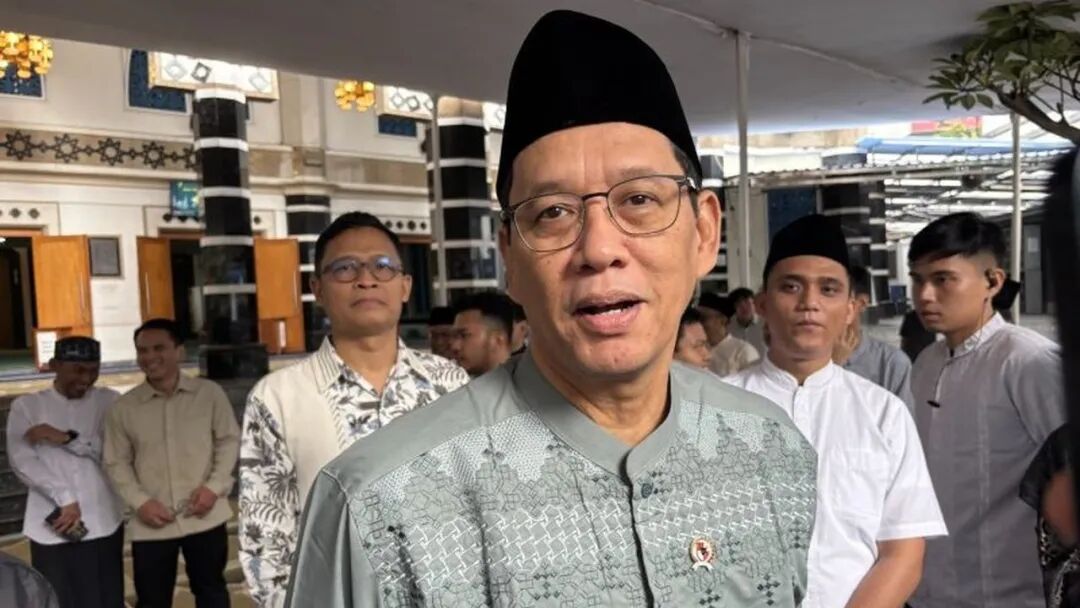
At a Halal Bi Halal gathering held at the Ministry of Finance on March 25, Purbaia reiterated that large-scale online transactions have already impacted brick-and-mortar businesses, and that the majority of the resulting profits flow to China—a system he believes is unreasonable.
“At first, I thought most online merchants were Indonesian, but it turns out many are not. We will consider more strategic measures to ensure offline merchants can survive; even if they shift online, Indonesians should be the ones to benefit.”
He also indicated that the Indonesian government is considering imposing taxes on Chinese manufacturers or exporters.
As China has come to dominate Indonesia’s e-commerce ecosystem across the board—from capital and platforms to supply chains—the Indonesian government has grown anxious.
Just how dominant is Chinese capital in Indonesia?
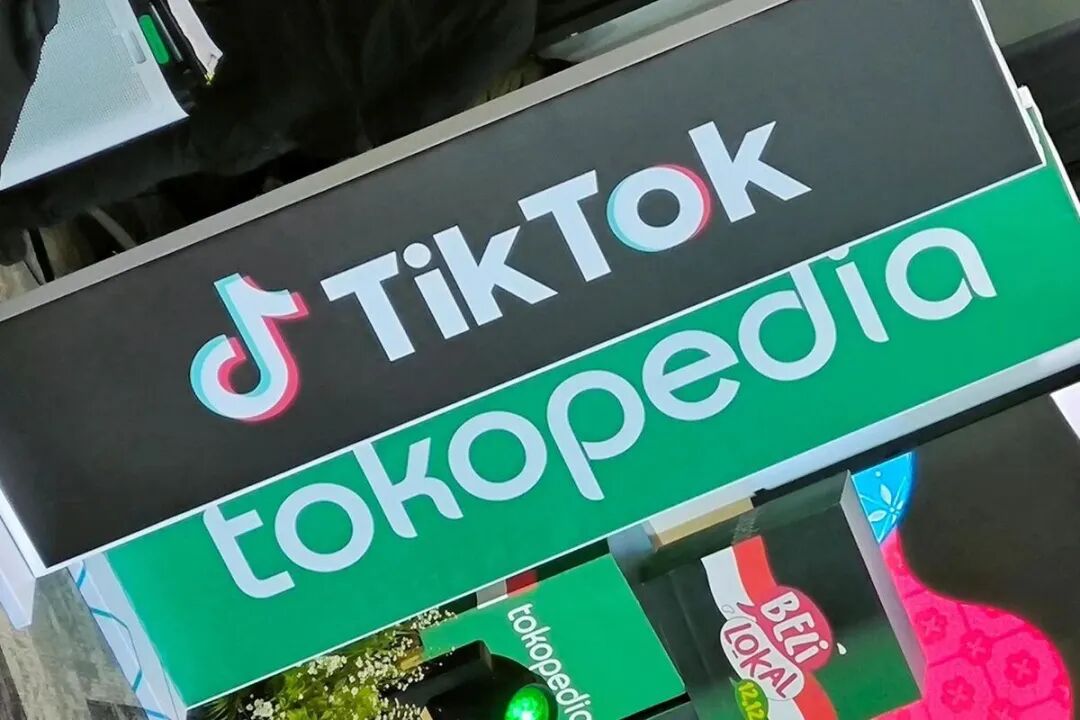
In an interview, Purbaia cited the examples of Tokopedia and TikTok Shop, arguing that Tokopedia is essentially controlled by China.
In 2023, ByteDance acquired a 75.01% stake in Tokopedia from GoTo for $840 million. Tokopedia and TikTok Shop’s operations in Indonesia were consolidated under PT Tokopedia, with TikTok holding controlling interest in PT Tokopedia.
In June 2025, TikTok Shop and Tokopedia officially integrated their seller backends, allowing sellers to manage stores and products on both platforms through a single interface, further deepening the integration of their business and operations.
In fact, Tokopedia is not alone; Chinese capital is present behind Indonesia’s leading e-commerce platforms. Shopee, which holds the top market share, has Tencent as the largest shareholder of its parent company, Sea Limited. Lazada, which ranks third in Indonesia’s GMV behind Shopee and TikTok Shop, was acquired by Alibaba in 2016 and is currently wholly owned by Alibaba.
Another source of anxiety stems from the supply chain structure behind these platforms. Currently, approximately 70–80% of the goods sold on Indonesian e-commerce platforms are manufactured in China. Faced with the efficiency of China’s mature supply chains, Indonesian small and medium-sized enterprises (SMEs) have virtually no means to compete in price wars.
Over decades, China’s manufacturing sector has developed the world’s most comprehensive industrial ecosystem—from raw material supply to component sourcing, and from mold development to mass production—with highly coordinated and responsive processes at every stage. This cluster-based layout not only minimizes production costs for individual enterprises but also enables rapid iteration and flexible production, allowing small-batch orders to be designed, prototyped, and shipped within days.
In contrast, Indonesia’s domestic manufacturing sector remains largely in its infancy. The country’s manufacturing is concentrated in a handful of sectors—including textiles, electronics, wood processing, paper, and food and beverages—with a very limited range of products. Its domestic supply chain is far from capable of supporting the massive demand for goods on e-commerce platforms. This structural disparity directly translates into overwhelming competition at the market level.
Strong Signals of “Localization”
The Indonesian government is implementing a series of measures to break China’s dual dominance in both capital and goods.
In January, Tami, Deputy Director General for Small Enterprises at the Ministry of Cooperatives and Small and Medium Enterprises, stated that the ministry, in collaboration with the Ministry of Trade, is drafting amendments to Minister of Trade Regulation No. 31 of 2023 (Permendag). The proposed revisions include implementing a minimum import price policy for 11 categories of goods that can be produced domestically, thereby creating more room for local products to compete with imported goods entering the domestic market.
The regulatory amendments also address e-commerce platform search algorithms, including a ban on systems that prioritize imported products and measures to facilitate the promotion and search recommendations of local products.

In March, Indonesian Finance Minister Purba noted that the government is reconsidering the previously shelved e-commerce tax or tax policies targeting online merchants. The Indonesian Ministry of Finance had originally planned to impose a 0.5% e-commerce tax on annual revenue starting in September 2024 for e-commerce sellers with annual revenue exceeding 500 million Indonesian rupiah (approximately 200,000 RMB), but subsequently announced a suspension of the levy.
What are the chances of Indonesia’s “ambition” being realized?
However, despite strong policy signals, this “reclamation of sovereignty” is no easy feat in practice.
The prosperity of Indonesia’s e-commerce sector relies heavily on Chinese capital investment, mature supply chains, and the transfer of operational expertise.
Forced intervention in ownership could lead to capital flight, a decline in platform valuations, and even reduced operational efficiency, ultimately harming Indonesian consumers and local small and medium-sized enterprises that rely on these platforms for survival.
Given Indonesia’s dual objectives of managing current inflationary pressures and maintaining purchasing power, overly aggressive policies could trigger a backlash from the public.
On the other hand, Indonesia is actively attracting foreign investment to achieve its 5.4% GDP growth target. Imposing retroactive restrictions on Chinese assets acquired through legitimate transactions could damage the country’s investment credibility under the RCEP framework.
How can a delicate balance be struck between reaping the efficiency dividends of global supply chains and defending domestic economic sovereignty?
Minister Purba’s concerns reflect the common dilemma faced by many developing economies when confronted with China’s mature “capital plus supply chain” dual advantage.
However, forcibly severing market chains that are already deeply embedded could trigger a “rejection reaction” even more severe than “blood loss.”
For Indonesia, true “sovereignty recovery” may not lie in erecting high walls to shut out Chinese manufacturing, but rather in leveraging these platforms, capital, and experience to catalyze the iterative upgrading of local industries.

Aiya Warehouse was among the first overseas warehouse service providers to enter Southeast Asia, having served over 100 leading brands such as Anker, Water Guardian, Liby, and Semir. It operates more than 20 self-managed warehouses across Vietnam, Thailand, Malaysia, Indonesia, the Philippines, and Singapore.
Among these, its Indonesian warehouses are located in key logistics hubs such as Jakarta and Tangerang, with a total self-operated area of 40,000 square meters and a daily order processing capacity exceeding 100,000 orders.

Scan the QR code
Get a quote or book storage space with one click



 点我即可在线与客服沟通">